
 Canada
 USA
USA Japan
Japan

What Is a Fungicide and When Should You Use It?

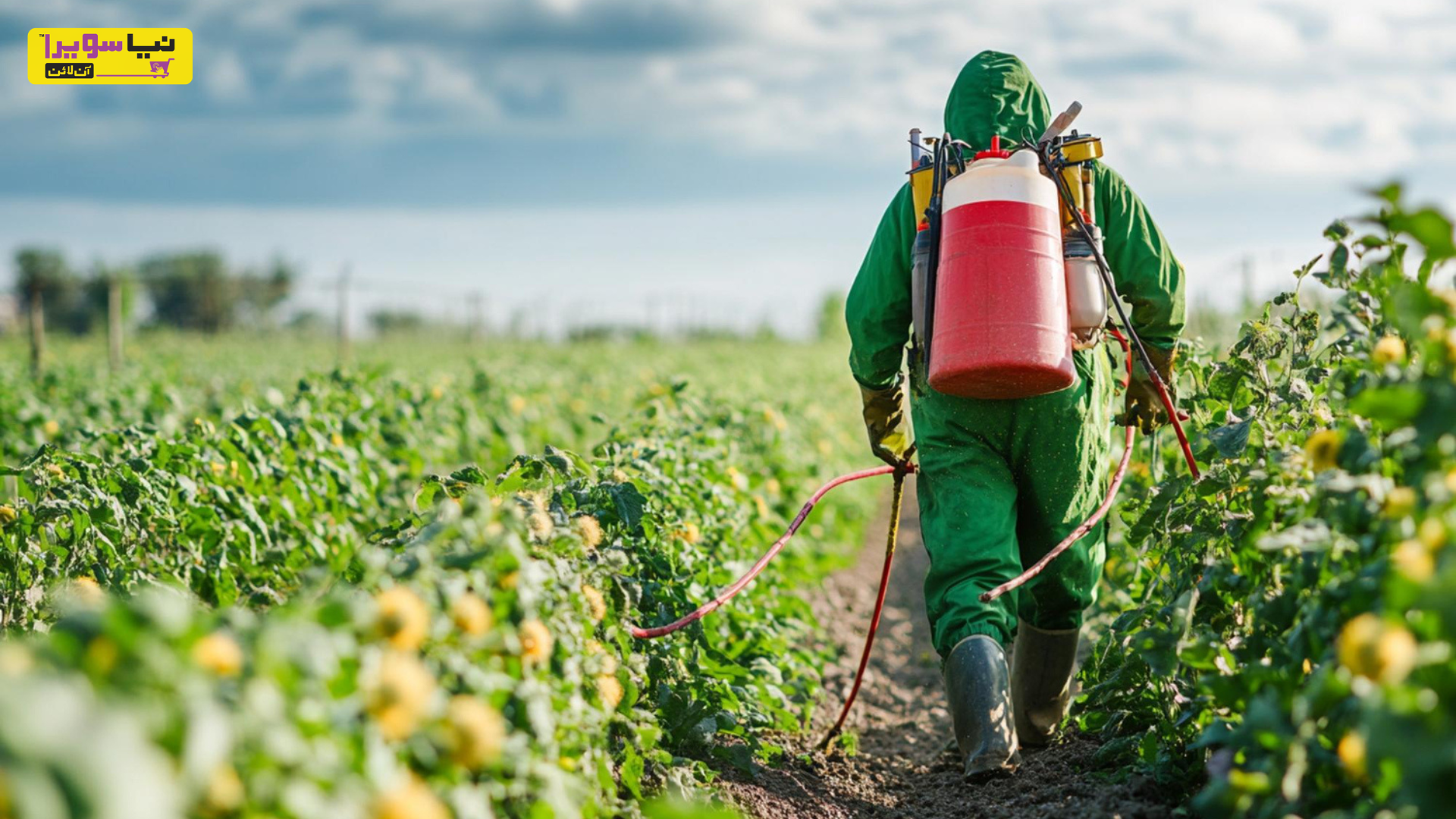
Fungal diseases silently reduce crop yield, weaken plant growth, and damage harvest quality. For farmers growing corn, cotton, rice, and vegetables, fungicide use is not optional it is essential.
Naya Savera, we work closely with growers to provide high-performance crop programs that protect plant health and maximize production through scientifically proven agricultural solutions.
What Is a Fungicide?
A fungicide is a crop protection product designed to prevent, suppress, and eliminate harmful fungal pathogens that infect crops at different growth stages.
Fungal infections attack:
- Leaves
- Stems
- Roots
- Grains and fruits
These diseases reduce nutrient uptake, weaken plants, and significantly lower final yield. Fungicides form a protective barrier that stops disease spread and preserves crop productivity.
Why Fungicide Use Is Critical for High-Yield Farming
Unchecked fungal infections can reduce crop yield by up to 40% or more. Fungicide programs:
- Protect leaf area for photosynthesis
- Improve grain filling and boll formation
- Extend plant life cycle
- Increase overall crop uniformity
- Secure higher market-grade produce
This is why Naya Sawera integrates fungicide solutions into its professionally designed crop programs for cotton, corn, and rice growers.
When Should You Use a Fungicide?
Correct timing determines fungicide effectiveness.
1. Preventive Stage (Before Disease Appears)
Apply when weather conditions favor fungal development such as:
- High humidity
- Frequent rainfall
- Warm temperatures
Preventive fungicide use stops infections before visible symptoms appear.
2. Early Infection Stage
At the first signs of:
- Leaf spots
- Yellowing
- Powdery or rust-colored patches
Early application prevents disease spread and plant damage.
3. Critical Crop Growth Stages
Fungicide protection is vital during:
- Vegetative growth
- Flowering
- Grain or boll development
These stages determine final yield size and quality.
Fungicide Importance in Key Crops
Fungicide for Cotton
Controls leaf spot, rust, and wilt that weaken plants and reduce boll formation.
Fungicide for Corn
Protects against leaf blight and stalk rot, improving grain filling and harvest quality.
Fungicide for Rice
Prevents blast and sheath blight two major yield-destroying diseases.
Naya Savera crop programs include field-tested fungicide schedules designed for each crop’s growth cycle.
How Naya Savera Ensures Safe and Effective Fungicide Use
At Naya Sawera, every fungicide program is:
- Scientifically structured
- Crop-specific
- Weather-responsive
- Dose-controlled
- Field-tested by professionals
Our products meet agricultural safety standards and are selected to deliver consistent disease control and higher crop productivity.
Explore verified fungicide programs at nayasavera.online.
FAQs
What is the main purpose of a fungicide?
A fungicide prevents and controls fungal infections that damage plant health and reduce crop yield.
Can fungicides be used on all crops?
Yes, but application timing, product type, and dosage must be crop-specific.
When is the best time to apply fungicide?
Preventively before disease starts, at early infection signs, and during flowering or grain-forming stages.
Does fungicide increase yield?
Yes, fungicides protect plant health, improving growth, quality, and final yield output.