
 Canada
 USA
USA Japan
Japan

How Herbicides Help Farmers Control Weeds and Protect Crops

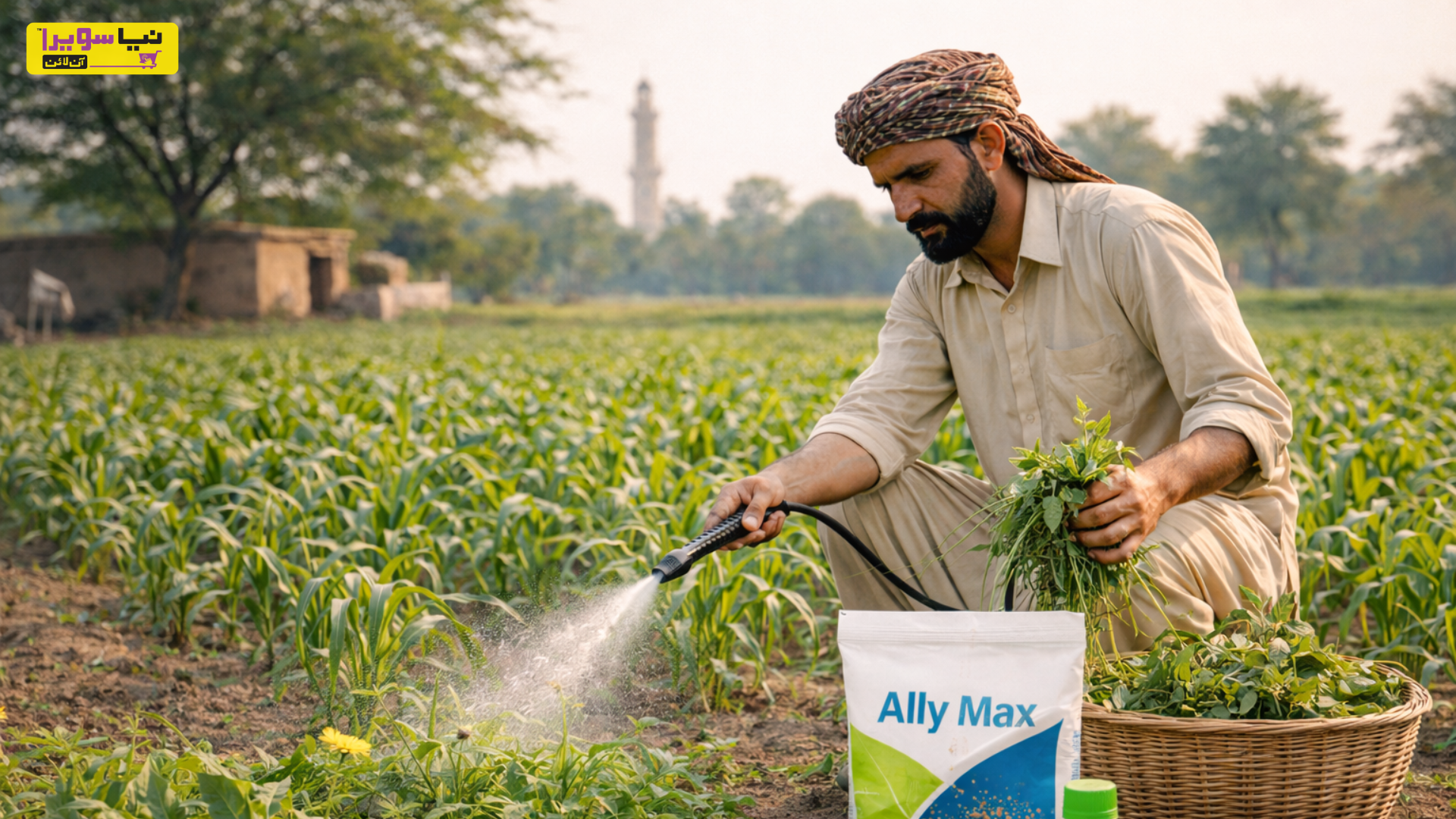
Weeds are a major problem for farmers all over the world. They may inhibit growth and reduced yields because they compete with crops for nutrients, water, and sunlight. Maintaining healthy crops and guaranteeing successful harvests depend heavily on effective weed control. Herbicides are a crucial tool for farmers to effectively and sustainably manage undesirable vegetation.
Recognizing the Function of Herbicides
Chemical treatments called herbicides are made to control or get rid of weeds without damaging crops. Herbicides, as opposed to fertilizers or insecticides, are only used to control undesirable plants, allowing crops to flourish.
Depending on the needs of farming, they can be either non-selective (affecting all plants in an area) or selective (targeting particular weeds). Maximum efficacy is ensured by using the appropriate herbicide at the appropriate time.
Common Problems Caused by Weeds
There are various ways in which weeds compete with crops:
- Nutrient Competition: Weeds deplete crops of vital nutrients by stealing them from the soil.
- Water Competition: They take up water that crops require, particularly in arid conditions.
- Light Competition: By shading crops, taller weeds can decrease photosynthesis.
- Pest and Disease Harboring: Certain weeds have the ability to harbor pests or infect crops with illnesses.
Because unchecked weed development can significantly lower agricultural output and quality, prompt management is crucial.
Benefits of Using Herbicides
Responsible pesticide use has several benefits:
- Improved Crop Growth: Makes it easier for crops to get water and nutrients while lowering competition.
- Increased Yields: More fruits, grains, or vegetables are produced by healthy crops.
- Time and Labor Efficiency: Saves money and effort by eliminating the need for hand weeding.
- Long-Term Weed Control: For a set amount of time, some formulas stop weeds from growing back.
For example, selective herbicides, such as Ally Max 28.6 SG 14gm, can target particular weeds while protecting crops, simplifying and improving weed control.
The Best Methods for Using Herbicides
To guarantee efficacy and safety:
- Herbicides should be used when crops and weeds are at their ideal growth stages.
- Pay close attention to the dose recommendations provided by the manufacturer.
- When applying, wear protective clothing, such as masks and gloves.
- Steer clear of spraying near water sources or in windy situations.
- To avoid resistance, rotate herbicides or combine them with manual weed management.
When used properly, the impact on the environment is reduced and crops are protected.
Choosing the Right Herbicide
A number of things influence selection:
- Crop kind and stage of growth
- The kind of weeds found
- Climate and soil conditions in the area
- Suggestions from specialists in agriculture
Reliable results are guaranteed by premium herbicides in the Herbicides category, which also promotes sustainable farming methods.
Final Thoughts
If weeds are not properly controlled, they can negatively impact crop output and growth. Herbicides are an essential part of a farmer’s toolbox since they assist keep crops healthy and increase yields. Stronger crops and better harvests can result from using products like Ally Max 28.6 SG 14gm in conjunction with appropriate farming methods to make weed control easier, safer, and more effective.