
 Canada
 USA
USA Japan
Japan

How Fungicides Help Protect Crops from Diseases and Improve Yield

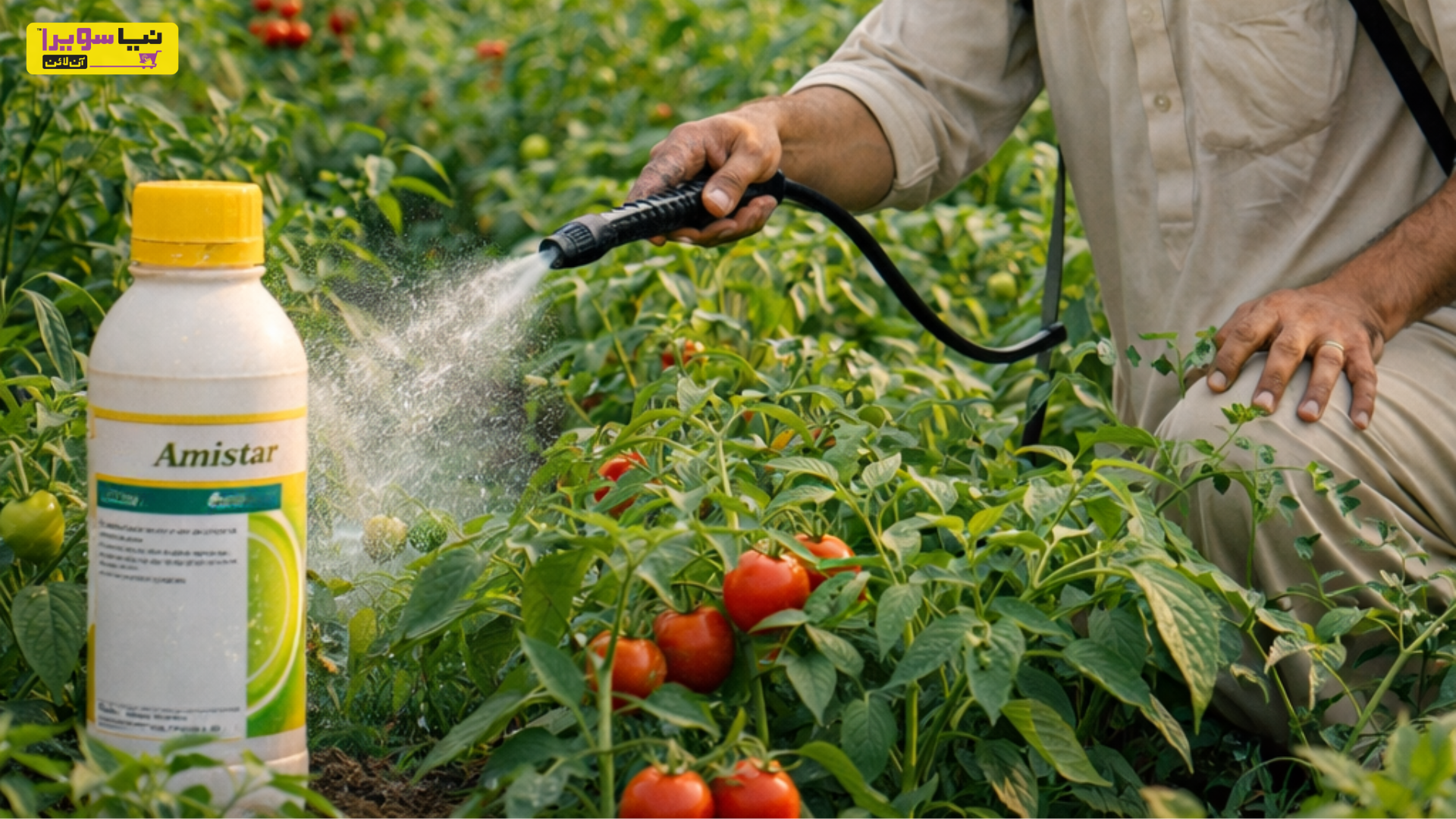
Fungal Plant Disease can pose a significant problem for farmers. Blights, mildews, rusts, and leaf spots can weaken plants, slow growth, and significantly reduce yields. Fungicides are crucial in controlling these illnesses, assisting farmers in safeguarding crops and ensuring wholesome, fruitful harvests.
What Are Fungicides?
Fungicides are chemical or biological treatments used to prevent or manage fungal infections in crops. Fungicides primarily shield plants from diseases brought on by fungal pathogens, in contrast to fertilizers that supply nutrients or insecticides that target pests.
Depending on the crop and type of disease, they can be applied as sprays, dusts, or seed treatments.
Common Crop Diseases Controlled by Fungicides
Many different crops are impacted by fungal infections. Typical problems include:
- White, powdery growth on leaves and stems is known as powdery mildew.
- Leaf deterioration and yellowish patches are signs of downy mildew.
- Diseases of the Leaf Spot: Black or brown patches on the leaves
- Blights and rusts: Quick harm to leaves and fruit
These diseases can drastically lower crop quality and output if they are not handled.
How Crops Are Protected by Fungicides
Fungicides function in a number of ways:
- Preventive Action: They shield plants against spores and fungal development when applied prior to infection.
- Curative Action: Certain fungicides have the ability to stop an illness from getting worse.
- Systemic Protection: Some formulations offer internal defense against fungal infections by being absorbed into plant tissues.
Fungicides help plants stay robust and fruitful throughout the growing season by preventing fungal infections.
Advantages of Fungicide Use
There are several benefits of using fungicides responsibly:
- Healthy Plants: Stronger growth results from less disease stress.
- Increased Yields: Better fruiting and grain production are guaranteed when diseases are avoided.
- Better Quality: Cleaner leaves, fruits, and vegetables are the result of less disease symptoms.
- Cost-effective: Prompt application can prevent serious infestation-related losses.
Amistar Top 325 SC 200 ml, for instance, is made to effectively manage a wide range of fungal diseases, assisting farmers in safeguarding their crops.
The Best Methods for Applying Fungicides
To increase efficacy:
- Apply as a preventative measure or at the earliest indication of illness.
- Observe the crop-specific instructions and the suggested dosage.
- When spraying, wear safety gear.
- Steer clear of spraying when there is a lot of rain or wind.
- To avoid resistance, rotate fungicides as needed.
In addition to safeguarding the environment, responsible use guarantees safe and efficient disease management.
Choosing the Right Fungicide
Selection is based on:
- The kind of crop
- The particular fungus-related illness
- The plant’s stage of growth
- Suggestions for local agriculture
Farmers can get consistent results by using a reliable, high-quality fungicide from the Fungicides category.
Final Thoughts
If fungal diseases are not well controlled, they can rapidly lower crop output and quality. Fungicides are a vital tool for preserving plant health and increasing yield. They promote lucrative and sustainable agriculture when paired with sound farming methods. By looking into reliable solutions like Amistar Top 325 SC 200 ml, farmers may safeguard their crops and produce healthier, more plentiful harvests.